Beginnings
I grew up in Fordyce, Arkansas, a rural town in the south central part of the state, on a highway that ran an hour and a half north to Little Rock and two hours south to the Louisiana border. Small towns loom as an American ideal, but they’re poorly understood, in my opinion. Only a tiny minority has any experience of them, maybe one person in ten and that one person isn’t likely to be reading this. And that’s “rural” as a large category, featuring decent-sized towns. If you drill down to truly small towns like mine, you’re talking about an experience that for most people feels lost in the mists of time. It’s called the rural/urban divide for a reason.
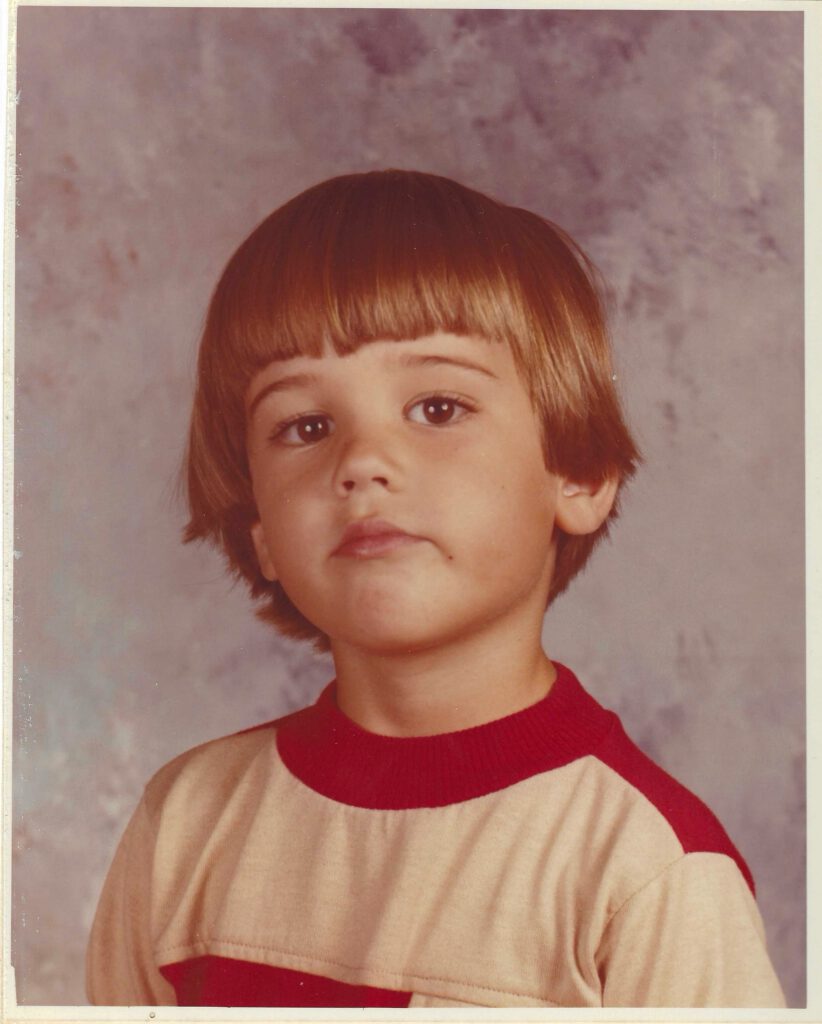
Fordyce had its complications and tensions, but it was in many ways a wonderful place to be a kid. We lacked a mall, a bookstore, a movie theater, or even a McDonalds. What we had: a historic downtown, a one-and-one-half room public library, dozens of churches, a championship football team, a city park, a plywood factory, five liquor stores, two motels, the Klappenbach bakery, the Pit B-B-Q, lots of pretty houses, and miles and miles of forest. I was mostly raised in the city limits, before we moved to actual country, but even in town I only had to jump my back fence, walk through our neighbor’s yard, and cross the street to lose myself in the woods.
Fordyce was proud of its schools, a single track with one elementary, one middle school, one junior high, and one high school. I think for many non-rural people—again, most people!—this is the hardest part to imagine. That truly every child—rich and destitute, black and white, from every sect—attended the same schools, together, from kindergarten to graduation. There were no private schools, no charter schools, no magnet schools. In my case, I received my diploma with the same 90 or so kids I learned my ABCs with. I often wished I fit in better, but I’m so grateful for that 13-year intensive in identity, political outlook, religion, local attachment, and family. You feel these abstractions deeply when they connect you to, or separate you from, people you really care about. Little did I know it, but my days in Fordyce public schools were a great beginning to a writer’s education.
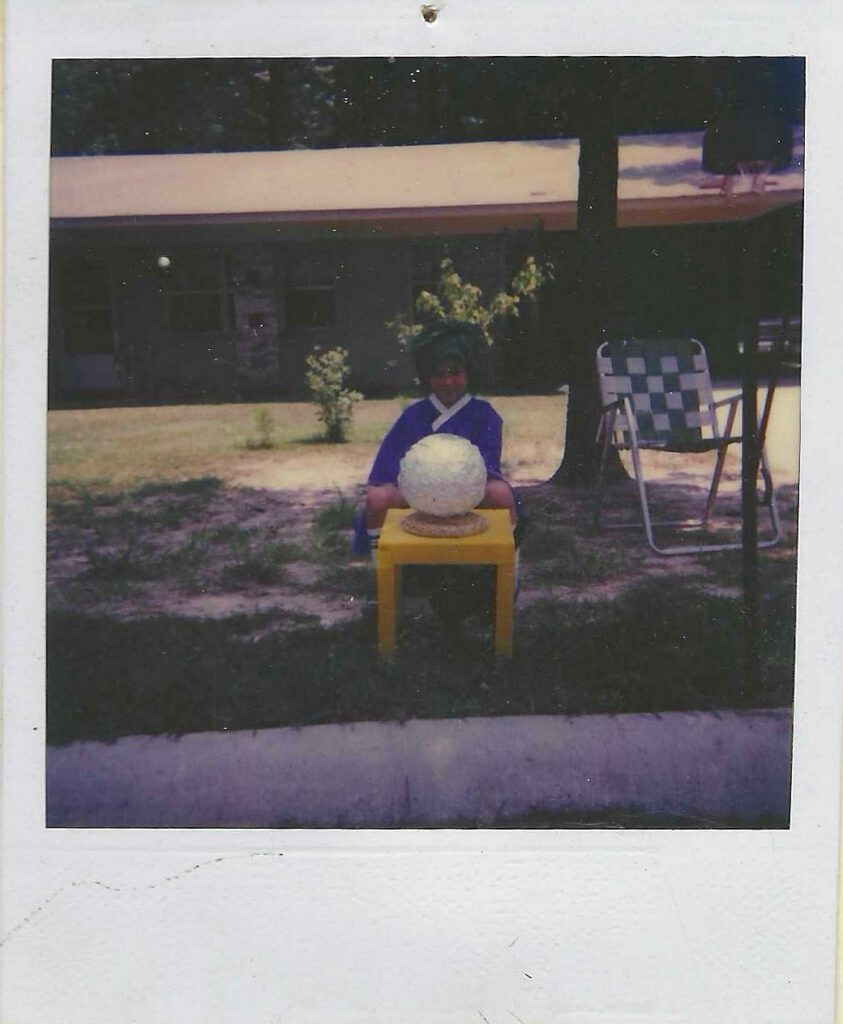
My family wasn’t bookish, though my mother was a reader. In fact, she was reading a novel by F. Scott Fitzgerald (Tender is the Night) while pregnant with me. Hence my first name. She had been a high school art teacher before she quit to raise my brothers and eventually me. She went back to college when I was 8 to renew her accreditation. I think of the day she dropped out as the moment she accepted she would soon die, as she did, from the cancer she’d been fighting. I know it’s a common delusion to think your mother was incredible, indelible, and one of a kind, but I stand by that description. In some ways, writing has been my way of reclaiming the time I lost with her, of extending a conversation I never got to finish.
California
I moved to San Francisco after college in a Super El Niño and was shocked to learn it pours rain here every day. (It doesn’t, but first impressions last.) I replaced a roommate who was the publisher of two zines (this was the era of zines), one of them named Canned Phlegm. My first January, our phone started ringing off the hook with writers begging to get their work into Canned Phlegm. After twenty or so calls, I got bored and started messing with the callers. I told one of them Canned Phlegm was only publishing in Spanish now, and the writer immediately offered to have her poems translated. It was my first introduction to the brutal world of publishing, and I hereby apologize to anyone I spoke to. If I’d known then what I know now, I would have been nicer!
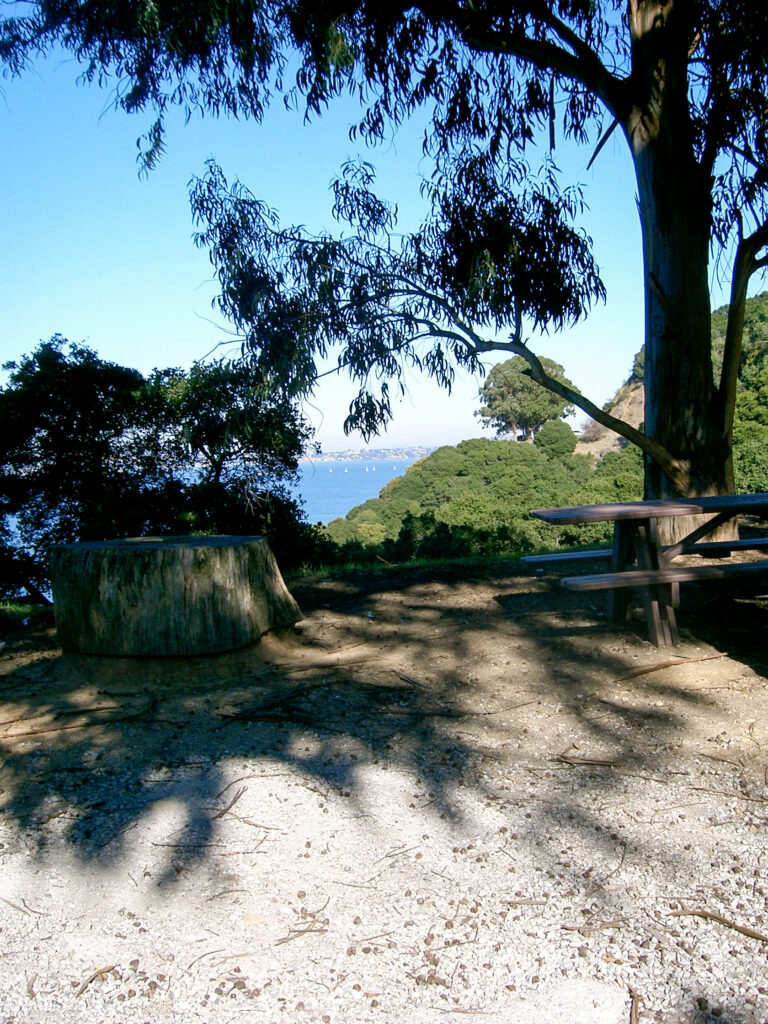
I left for grad school in the great state of Michigan and then—much to my surprise—returned to California, this time as a card-carrying writer, a Stegner Fellow in fiction at Stanford University. The Stegner was the fellowship of Raymond Carver, Evan Connell, ZZ Packer. As I motored down Palm Drive toward campus, sunroof open, the fronds of the trees passed over my head like fireworks heralding my ascension. Reality hit soon enough, but it was a nice feeling at the time. California has become my home and the territory of my writing. Most of my published work investigates California and the West, though Arkansas often floats in the background. I have a LOT of stories from growing up that I’d like to tell, but I haven’t figured out how to render the complexity of rural places and relationships for an urban/suburban audience. I’ll keep trying (and feel free to share any ideas). I’m sure it can be done.
Current Creative Interests
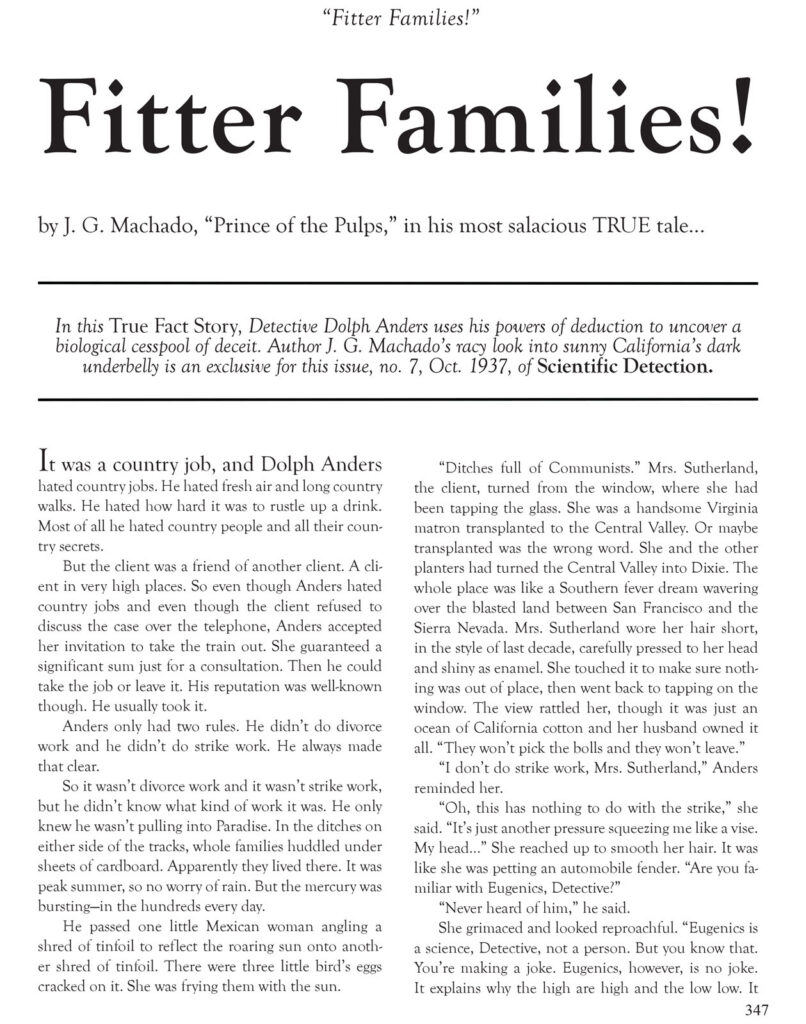
I have several novel projects brewing. A multi-genre California epic about the eugenics movement, which had tentacles everywhere, from Stanford to Caltech to the U.S. Senate. American eugenics was “scientific” racism and ableism, aka straight-faced and calm racism and ableism. The outcomes were hateful, but the leading eugenists, at least in the beginning, weren’t motivated by hatred. They were patriots and community leaders who believed tough choices—ones that required sacrifice (though never on their part)—were needed to preserve the future. Sound familiar? The California eugenics movement inspired the Nazis, who took things to a whole different level, but were logically right in line with American thinking. American eugenics is both a caution against any pure product of logic and, maybe, a celebration of the benefits of American forgetfulness.
I’m also working on those rural novels…I’ve tried comedy, I’ve tried noir, I’ve tried memoir. What is the secret? Please tell me!
My current novel is about the foster care system in California, though the story would apply to any state in the union, according to my reading and conversations with other resource families. My experience as a parent in that system has been harrowing, a front row seat to a complete failure to look after children’s well-being. What seems like an abject system collapse, however, is in fact a system working perfectly—for its real goals, which are very different than its stated goals. This is a book for every family that is involved in the system, either as resource parents or “offending” parents, and for the social workers, too, who enter this line of work with good intentions. I’m sorry to say almost every book that portrays foster care is false. My hope is to present a truth, which is necessarily tough, but also hopeful. I’m not alone in this goal. If you’re interested, I’d recommend you check out the investigative book Torn Apart by Dorothy Roberts and the work of organizations such as the Young Women’s Freedom Center.